
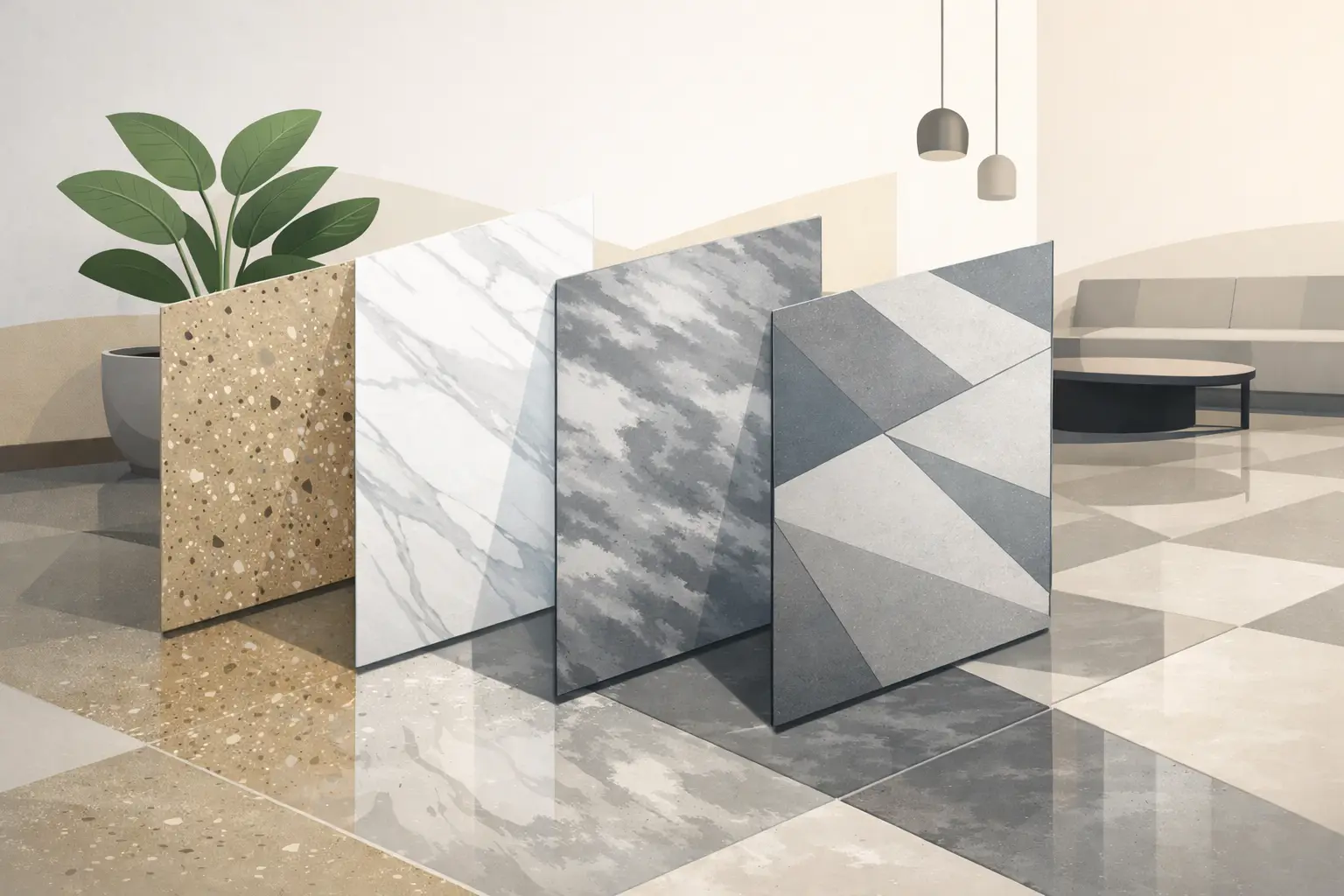
A floor can make a space look expensive or worn out before anyone notices the walls, lighting, or fixtures. That is why decorative concrete floor finishes have become a serious upgrade for property owners who want more than a plain gray slab. The right finish changes how a floor performs under traffic, how easy it is to maintain, and how well it holds up in real working conditions.
For commercial spaces, that decision affects downtime, cleaning costs, and long-term wear. For homes and lofts, it affects comfort, light reflectivity, and the overall look of the interior. The best finish is rarely about appearance alone. It is about matching the floor to the way the property actually gets used.
What decorative concrete floor finishes actually include
Decorative concrete floor finishes cover a wide range of systems, from mechanically polished concrete to stains, dyes, overlays, sealed concrete, and epoxy or urethane coatings with a decorative element. Some finishes work with the concrete you already have. Others add a new layer over the slab to create a cleaner canvas or a completely different texture.
That difference matters. If the existing slab is structurally sound and in decent shape, polishing or staining the original concrete can be cost-efficient and durable. If the slab has heavy damage, uneven patches, or visual defects that cannot be hidden, a topping or overlay may be the smarter move. A finish should never be chosen from a photo alone. The slab condition, moisture profile, traffic level, and maintenance expectations all come first.
Polished concrete is the strongest all-around option
When clients ask for decorative concrete floor finishes that can handle heavy use without constant upkeep, polished concrete usually leads the conversation. It is not a topical coating that sits on the surface waiting to peel. It is a mechanical process that refines the concrete through grinding, densifying, and polishing with progressively finer diamond grits.
That creates a floor with real depth, clarity, and durability. It can range from a soft matte sheen to a high-gloss finish, depending on the grit sequence and exposure level. In offices, retail stores, warehouses, restaurants, and modern homes, polished concrete delivers a clean architectural look while standing up to foot traffic, rolling loads, and routine cleaning.
Its biggest advantage is long-term value. A properly polished floor has lower maintenance demands than many decorative systems because there is no wax to strip and no coating film to repeatedly replace. The trade-off is that polished concrete reveals the character of the slab. Aggregate exposure, patching, cracks, and color variation can become part of the final appearance unless a topping is installed first.
Where polished concrete works best
High-traffic environments benefit the most. Warehouses, showrooms, retail spaces, office buildings, schools, and loft-style homes all gain from the combination of durability and low maintenance. In Southern California, where modern industrial and contemporary interiors are common, polished concrete also fits the design language without forcing a high-maintenance finish into a hard-working space.
Stained concrete adds color, but not all stains perform the same
Staining is often the first thing people think of when they hear decorative concrete. It can produce rich earth tones, layered variation, and a more customized look than plain gray concrete. Acid stains react chemically with the concrete and create a mottled, variegated appearance. Water-based stains offer a broader color range and more predictable results.
This is where expectations need to be realistic. Stain does not cover flaws the way paint covers drywall. It interacts with whatever is already in the slab, so color consistency depends on surface preparation, patch history, porosity, and contamination. Two areas of the same floor may take stain differently.
That unpredictability is part of the appeal for some clients and a problem for others. In restaurants, patios, boutique retail, and residential interiors, the movement and variation can look high end. In brand-sensitive commercial settings where color control matters, dyes or coatings may offer better consistency.
Dyes are sharper, cleaner, and more design-driven
Concrete dyes penetrate the surface and create stronger, more uniform color effects than many stains. They are often used with polished concrete to produce modern, controlled finishes with less visual randomness. If a client wants black, charcoal, warm brown, or custom color zones in a polished floor, dyes are often the better technical fit.
The upside is design flexibility. The limitation is UV sensitivity in some products, which makes indoor use a safer application than direct sun exposure. In commercial interiors, dyed polished concrete can create a premium appearance without adding a coating layer that changes maintenance demands.
Decorative concrete floor finishes for modern interiors
If the goal is a refined, contemporary look, decorative concrete floor finishes built around polished and dyed concrete are hard to beat. They reflect light well, make open spaces feel larger, and support a clean, professional image. That matters in offices, retail stores, creative studios, and upscale residential spaces where the floor needs to look intentional, not purely utilitarian.
Overlays and toppings solve appearance problems the slab cannot hide
Some concrete slabs are too damaged, too inconsistent, or too heavily repaired to polish attractively. That does not mean the floor has to be replaced. A decorative overlay or self-leveling topping can create a new wear surface over the existing concrete, giving property owners a fresh starting point.
This approach is valuable when aesthetics matter but the slab underneath is not presentation-ready. Toppings can be colored, polished, sealed, or textured depending on the system. They can also help correct minor surface irregularities and create a more uniform appearance across large areas.
The trade-off is cost and system selection. A topping adds material and installation steps, so it is not always the cheapest route. It also needs proper bond preparation and moisture evaluation. If that prep is rushed, long-term performance suffers. For the right slab, though, a topping can deliver the look of new concrete without full demolition.
Coatings can be decorative, but performance depends on use
Epoxy and urethane systems are often included in discussions about decorative concrete floor finishes because they can add color, gloss, flake, metallic effects, and chemical resistance. In the right setting, they perform very well. They are especially useful where spill protection, sanitation, or specific visual branding is a priority.
Still, coatings are not automatically the best answer for every property. In a warehouse or industrial space with constant forklift traffic, some decorative coatings will show wear patterns faster than polished concrete. In residential garages and certain commercial back-of-house areas, that trade-off may be acceptable because chemical resistance is the bigger priority.
This is where experienced specification matters. A showroom floor has different demands than a manufacturing area. A restaurant kitchen needs different slip considerations than a lobby. Decorative value should never override safety or service life.
How to choose between decorative concrete floor finishes
The right choice depends on four things more than anything else: slab condition, traffic, maintenance expectations, and appearance goals. If you have a strong existing slab and want the lowest long-term maintenance, polished concrete is usually the leading option. If you want color variation and character, stain may fit. If you need a cleaner visual result or custom tones, dyes can be more precise. If the slab is unattractive or inconsistent, overlays and toppings deserve serious consideration. If chemical exposure or specialty aesthetics matter most, coatings may be the better system.
Budget should be part of the decision, but not the only part. A cheaper decorative finish that needs frequent reapplication can cost more over time than a professionally polished floor with a higher initial investment. Smart buyers look at lifecycle cost, not just install cost.
Decorative concrete floor finishes and maintenance reality
Maintenance is where many flooring decisions go wrong. A finish might look outstanding on day one and become a problem six months later if it requires more upkeep than the property team can realistically provide. Polished concrete is popular for a reason – it simplifies routine cleaning and holds appearance well with the right maintenance program. Coatings and sealers can also look excellent, but they often need more active monitoring and scheduled refreshes.
For busy commercial properties, that difference affects labor, downtime, and long-term appearance. For homeowners, it affects whether the floor still feels like an upgrade after daily life hits it.
Los Angeles Concrete Polishing works with clients who need floors to look sharp and perform under pressure, and that is exactly the standard decorative concrete should meet. A finish is only successful when it still makes sense after the traffic, spills, carts, furniture, and cleanup routines start.
The smartest move is to choose a decorative floor finish that fits the way the space lives and works, not just the way it looks in a sample. When that match is right, concrete stops being a basic substrate and becomes one of the strongest assets in the building.
Clients We Service
We provide our concrete polishing and related services to a wide variety of clients. Some of the types of clients that we provide service to include:


