
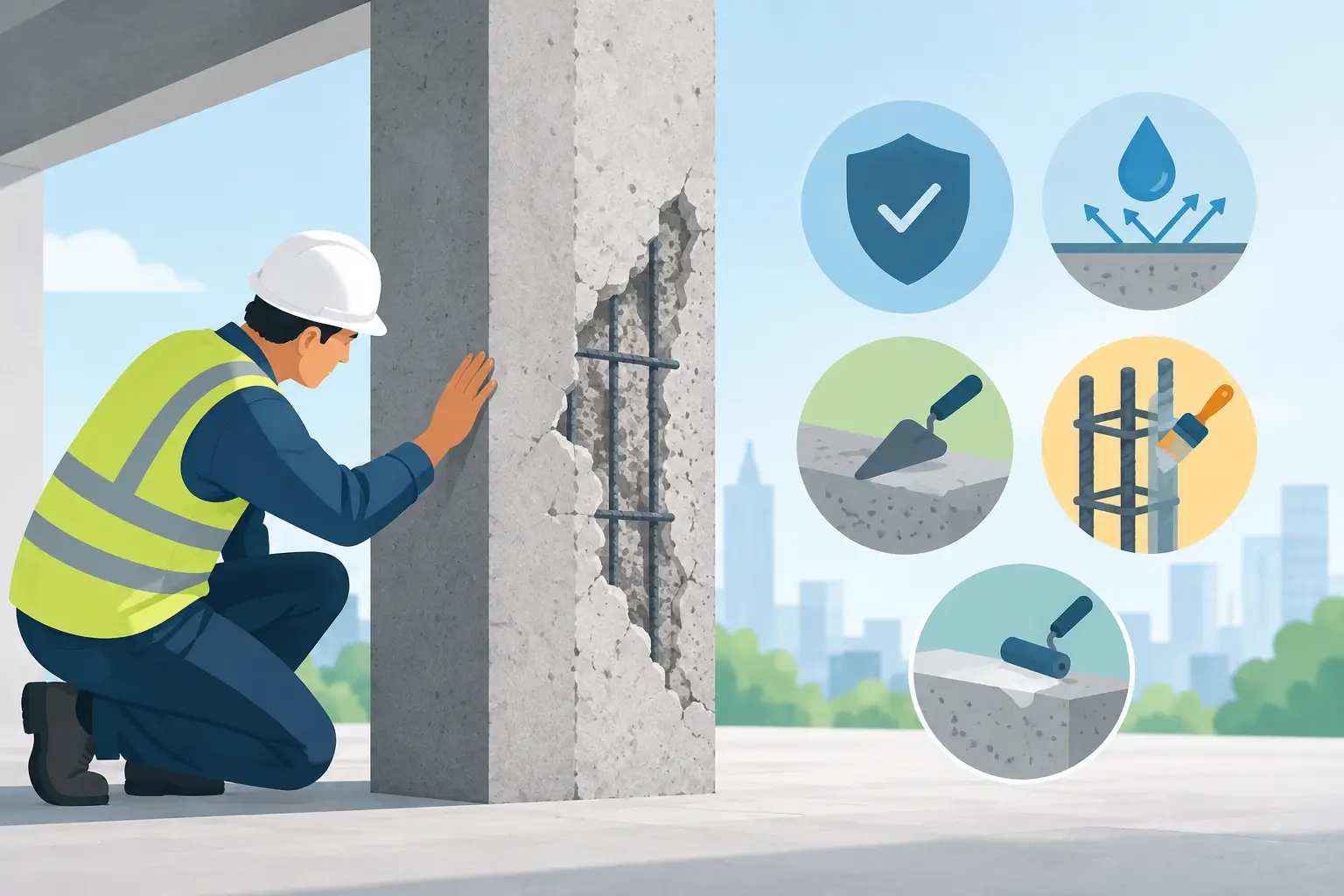
A small pop-out in a concrete floor can look harmless on Monday and become a costly maintenance issue by the end of the year. In warehouses, retail spaces, loading areas, offices, and residential garages, spalling creates dust, rough edges, trip concerns, and an uneven appearance that no quality facility wants to tolerate. If you are searching for five ways prevent spalling, the real solution is not a quick patch. It is identifying why the concrete is failing and protecting it with the right system.
Spalling occurs when the surface layer of concrete flakes, chips, or breaks away. The cause may be moisture vapor, impact, freeze-thaw exposure, corrosion in reinforcing steel, poor original placement, aggressive chemicals, or an unsuitable coating. Southern California floors are less likely to face severe freeze-thaw cycles than other regions, but moisture-related failures, traffic damage, and coating breakdown remain common. The strongest preventive plan matches the floor’s actual conditions, not just its current appearance.
Five Ways to Prevent Spalling in Concrete Floors
1. Control moisture before it reaches the surface
Moisture is one of the most persistent causes of concrete deterioration. Water can move upward through a slab as vapor, enter through cracks and joints, or collect around exterior flatwork because drainage is inadequate. When moisture pressure builds beneath a coating or weak surface layer, it can cause blistering, delamination, and spalling.
A professional moisture evaluation should come before installing a coating, topping, or polished finish. This is especially critical for slabs on grade, older warehouses, ground-floor retail spaces, and buildings with unknown vapor-barrier conditions. The right test method and mitigation approach depend on the project, but the objective is consistent: prevent moisture from pushing a finish off the concrete.
Outside the building, direct water away from slabs with proper grading, functioning gutters, and drainage that does not discharge at the foundation. Inside, address leaks and recurring washdown water promptly. A floor cannot perform at its best when it is continually exposed to water from below or above.
2. Repair cracks, joints, and weak areas early
Concrete rarely fails without warning. Hairline cracking, hollow-sounding areas, chipped joints, surface dusting, and small pits are signals that deserve attention. Leaving them open allows water, debris, cleaning chemicals, and impact forces to work deeper into the slab.
The proper repair starts with sound preparation. Loose or deteriorated concrete must be removed until stable material is reached. The damaged area is then cleaned, profiled, and rebuilt with a repair material selected for the floor’s use. A forklift route, for example, needs a tougher solution than a low-traffic residential room. Joint repair also requires the right degree of flexibility, since slabs expand, contract, and move at planned control joints.
Avoid simply spreading patch material over a failing surface. A cosmetic skim can look acceptable briefly, but it will not stop the original problem. Professional concrete grinding exposes unsound material and creates the mechanical profile needed for repair products to bond correctly.
3. Protect the slab from chemicals and heavy traffic
Industrial and commercial concrete faces more than foot traffic. Forklifts, pallet jacks, carts, dropped tools, vehicle tires, oil, cleaners, salts, and chemical spills can all wear down the surface. Once the cement paste is compromised, the slab becomes more vulnerable to chips and pop-outs.
The right protection depends on exposure. A polished concrete system with a densifier may be an excellent choice for an office, showroom, retail floor, or warehouse seeking a durable, low-maintenance finish. Densification hardens the surface and helps reduce dusting while diamond polishing refines the concrete for improved appearance and cleanability.
For floors exposed to oils, acids, frequent chemical cleaning, or demanding industrial use, a properly specified protective coating or resinous system may provide stronger resistance. Coatings are not universal answers, however. They require correct surface preparation and moisture assessment. Applying a high-performance coating over damp, contaminated, or weak concrete can lead to a high-profile failure.
4. Use the right installation and curing practices
Many spalling problems begin long before a building owner sees the first chip. Concrete that was overwatered, poorly consolidated, finished too early, or cured improperly may have a weak top layer. That weak layer can later dust, delaminate, or break under traffic.
For new concrete, use a mix design appropriate for the service environment and avoid adding excess water on site just to make placement easier. Proper finishing matters, but timing matters just as much. Working the surface while bleed water is present can trap water beneath the top layer and weaken it.
Curing is not optional. It allows concrete to develop strength and reduces rapid moisture loss that can contribute to cracking and surface weakness. Contractors should also protect fresh slabs from premature traffic, extreme temperatures, and contamination. For property owners, the key takeaway is simple: do not rush a new floor into full service or apply a finish before the slab is ready.
5. Maintain the floor with a planned schedule
Even the best floor system needs disciplined maintenance. Grit acts like sandpaper under shoes, carts, and tires. Standing water works into cracks. Harsh cleaners can damage certain finishes. Neglected joints take repeated impact until their edges break apart.
Create a maintenance routine based on traffic and exposure, not a generic calendar. High-traffic warehouse aisles may need frequent dust mopping and regular inspection of joints and loading areas. Retail and office floors benefit from prompt spill cleanup and cleaners that are compatible with the polished or coated finish. Residential floors usually need less intensive care, but should still be protected from prolonged water exposure and abrasive debris.
Watch for changes in sheen, recurring dark moisture spots, peeling coatings, loose joint filler, and areas that begin to chip after impacts. Early service is faster, cleaner, and more cost-effective than waiting until repairs spread across an entire floor.
What to Do When Spalling Has Already Started
Prevention and restoration often overlap. If spalling is limited to isolated areas, a targeted repair followed by polishing, densification, or a protective finish may restore a clean, durable surface. When damage is widespread, the decision becomes more strategic. The floor may need extensive grinding to remove weak material, a cementitious topping to create a new wear layer, or a coating system engineered for the facility’s traffic and chemical exposure.
The best option depends on slab condition, budget, desired appearance, operational downtime, and long-term maintenance expectations. A glossy polished floor can transform a lobby, showroom, loft, or office while providing exceptional durability. A warehouse with heavy forklifts may prioritize impact resistance, joint performance, and chemical protection over a high-gloss appearance. There is no single finish that outperforms every other system in every environment.
At Los Angeles Concrete Polishing, our approach begins with the substrate, because a beautiful finish is only as reliable as the concrete beneath it. Proper grinding, moisture control, repair preparation, and system selection are what turn a damaged slab into a floor built for daily use.
A floor that is already showing small chips is asking for attention, not a cover-up. Address the cause now, select protection that fits the space, and your concrete can keep performing long after the first repair is complete.
Clients We Service
We provide our concrete polishing and related services to a wide variety of clients. Some of the types of clients that we provide service to include:


